Promotion

Welcome to the world of ForestIndustries.EU


 Are you looking for a partner who...
 

Sustainable forest management in the tropics – panacea of folly?

Forestry / Forstwirtschaft: Nachhaltige Forstwirtschaft, Nachhaltige Waldwirtschaft, SFM, Sustainable forest management

There was book published back in 2003 and written by David W. Pearce, Francis E. Putz and Jerome K. Vanclay titled with “Sustainable forestry in the tropics : panacea or folly?”. It’s an interesting book coming up with some very clever ideas long before the PLUS-part of REDD has been born.

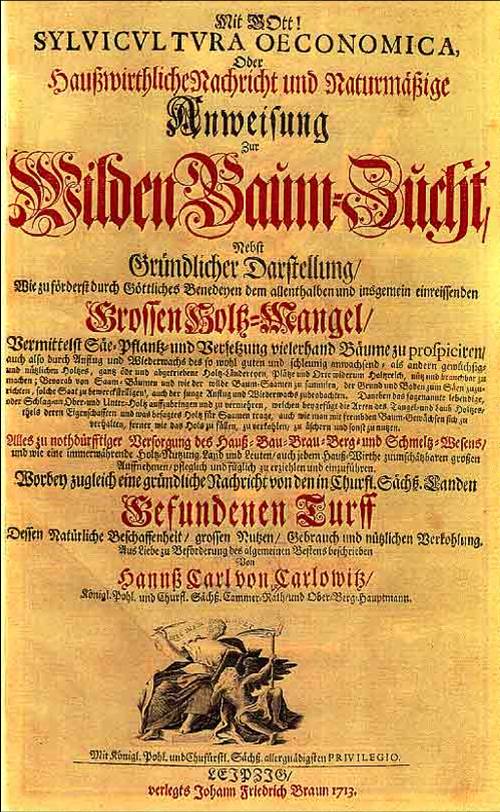
Sustainable Forest Management - a principle developed in Central Europe

SUSTAINABLE FORESTRY - A HANDED DOWN PRINCIPLE MAKES WORLD CAREER

First FSC Certificate

FSC News+Notes, ISSUE 11, AUGUST 11, 2003

Crossing Boundaries through FSC Group

Certificate: GFA-FM/COC-2084
GFA-FM/COC-001771

Managing Plantation Operations

From Establishment through Maintenance to Harvesting


10th Aniversary

25th of October 2008


The forest association Weilhart (WWGW) has been founded in 1998 by a couple of enthusiastic forest owners in the region of county Braunau, Flachgau, Altötting, Traunstein.

In the meantime more than 100 members have joined the association.

Main objects of the association are:

FSC-WwGW

March 1st, 2009

Crossing Border FSC Group Weilhart renews Certficate for another 5 years

Certificate: GFA-FM/COC-2084
GFA-FM/COC-001771

Plantation management

Timber plantations are of high importance for the future wood supply

"European global players on the pulp & paper market - most of them are the product of mega-mergers - have used their heft to go global. For starters, they have invested billions in new pulp mills in South America that are three times bigger than any in Canada. The ability to spread fixed costs over so much capacity is an unbeatable advantage.
The eucalyptus trees that feed these mills grow to maturity in less than a decade in the Brazilian and Uruguayan sun, compared to the 70 or 80 years it takes for Northern tree species in the US, Canada and Europe. The South American pulp is shipped back to Europe and turned into dozens of different grades of paper on the most modern and fastest machines in existence. The equipment is designed by Austrian ones at Andritz, Finnish ones at Metso or German ones at Voith."

Syndicate content